








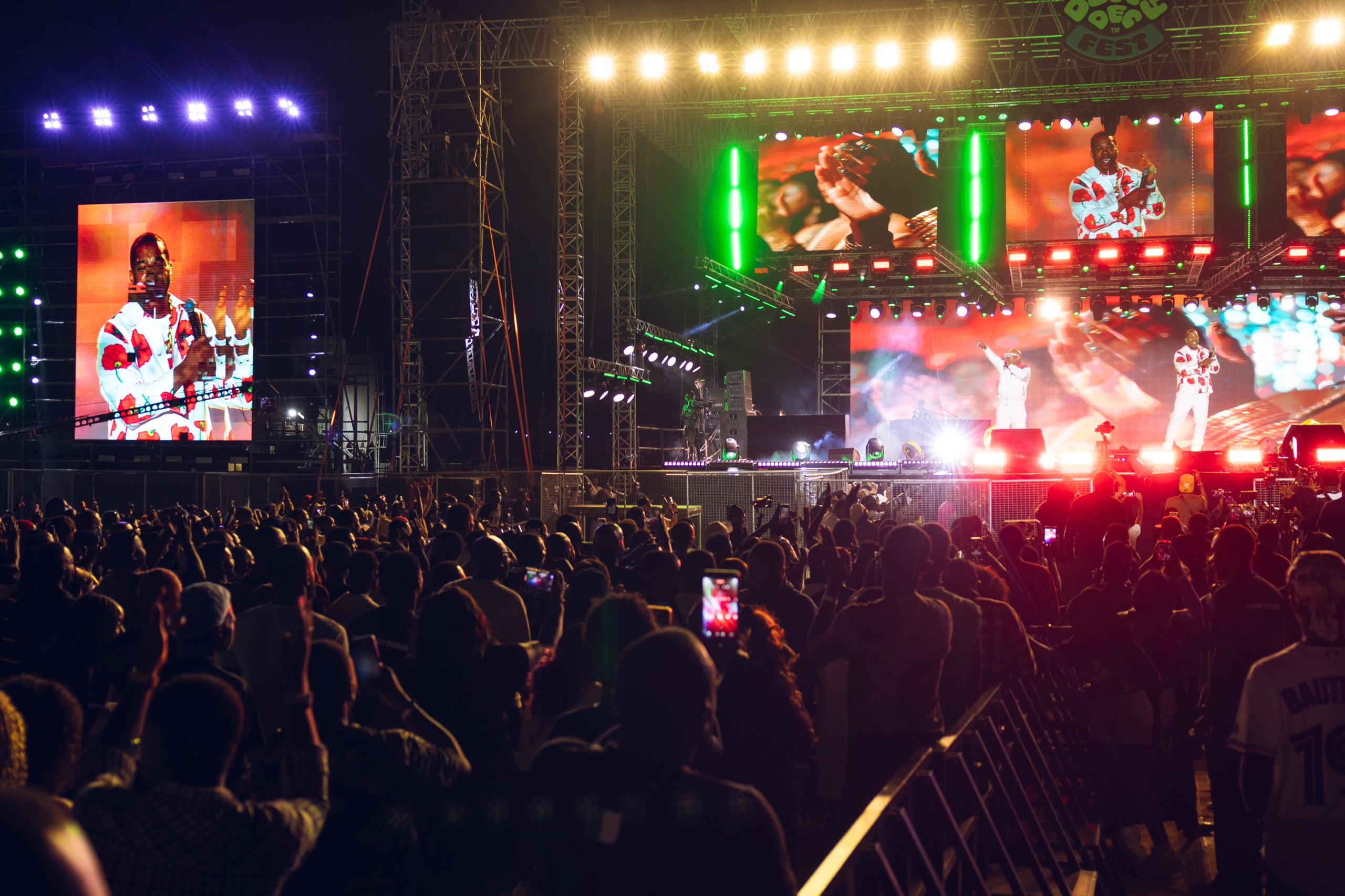
There was a time when culture moved through a single, defined center. Distribution was limited, and a handful of major platforms like television networks, radio stations, and major print publications shaped exactly what people saw, heard, and shared.
Because everyone was watching the same things at the same time, audiences naturally aligned around shared cultural moments. This alignment created the mainstream, a massive, unified space where brands could gather and direct human attention at an unprecedented scale.
For decades, the media and advertising industries operated on a beautifully simple premise: Reach enough people at once, and impact will naturally follow. Today, that premise is dead. The infrastructure that sustained the mainstream has dissolved, replaced by a hyper-networked cultural landscape defined by fragmentation, velocity, and extreme specificity. Attention flows into thousands of parallel channels, each governed by its own unique logic, language, and taste profiles.
Culture unfolds in many places at once.
The Shift in How People Pay Attention
This shift began with a fundamental change in audience behavior, heavily accelerated by algorithms.
Where attention once gravitated toward a central mainstream, it now disperses outward. Algorithmic systems on platforms like TikTok, Instagram, and YouTube prioritize individual preferences over collective experiences. Instead of a single public square, audiences are segmented into highly defined, self-sustaining cultural clusters built around specific interests, aesthetics, and subcultural identities.
Over time, these pockets evolve into independent worlds. A niche community on the internet develops its own inside jokes, its own vocabulary, and its own internal hierarchy of what is valuable.
Because these environments operate independently, scale looks entirely different than it used to. It is the accumulation of many distinct, isolated pockets of attention.
In this new reality, visibility depends entirely on context. Relevance depends on where and how you show up. Because the modern landscape rewards extreme specificity, broad, generic messaging completely loses its traction.
The High Cost of Trying to Please Everyone
When content is designed to appeal to everyone, it inevitably dilutes its own point of view. Without sharp signals that resonate with a specific group, a generic ad or campaign struggles to anchor itself anywhere. It might circulate widely and rack up millions of views, but it rarely embeds itself deeply into anyone’s memory.
This creates a massive structural inefficiency for brands.
Companies continue to pour heavy resources into mass distribution, yet their actual audience engagement remains shallow. Digital impressions grow, but true cultural impact fails to compound. This widening gap between raw visibility and deep resonance has become the marketing industry’s biggest challenge.
Precision changes this equation. When a message is defined and tailored, it creates density, stronger brand recognition, sharper recall, and a much deeper emotional affinity within the specific communities that actually matter to your business.
This is why, in the modern era, attention functions as an outcome of intentional design.
Building Cultural Infrastructure and Media Engineering
True engagement is built through a deliberate system. To succeed, brands must build what can be described as cultural infrastructure. This framework relies on three core capabilities:
-
- Continuous Listening: Actively monitoring the internet to stay aware of rapidly shifting cultural signals and trends.
- Interpretation: Effectively translating those raw signals into meaningful, authentic brand actions.
- Adaptation: Speeding up internal processes so the brand’s responses remain relevant within fast-moving digital environments.
With this foundation in place, the chaotic complexity of modern internet culture becomes highly navigable. Without it, even the most brilliant creative concepts will struggle to find traction because they lack the structural vehicle required to carry them to the right people.
As cultural fragmentation increases, media engineering becomes essential. Media engineering means treating media distribution as a dynamic system that must be carefully designed, calibrated, and refined over time.
It requires shaping narratives that can move fluidly across different cultural contexts while still retaining their core brand meaning. It means designing content that natively adapts to specific platform formats, like a TikTok 9:16 video versus a LinkedIn thought-leadership piece, without losing its integrity. Most importantly, it demands aligning a brand’s media behavior with audience psychology so that the interaction feels native and welcomed rather than forced and disruptive.
The New Playbook for the Creative Economy
Influence is built through sustained, meaningful presence within specific cultural spaces, where consistency and depth build genuine credibility over time.
While fragmentation has made marketing more complex, it has also unlocked massive opportunities. Distinct, niche communities offer brands highly concentrated attention, feedback loops, and incredibly strong identity signals. Because these environments are so well-defined, they allow for far more meaningful, high-converting engagement.
However, entering these spaces requires absolute fluency. Every internet subculture responds to its own unique cues, values, and forms of expression. If a brand aligns perfectly with those dynamics, the connection feels completely natural. If it fails to align, the communication feels distant, tone-deaf, and corporate, regardless of the millions of dollars spent distributing it.
Ultimately, the creative economy has fundamentally transformed.
Success depends on corporate structure and media systems as much as it depends on raw creative ideas. It requires defined positioning, tightly integrated digital systems, and a sustained cultural presence that evolves alongside the audience.
When this infrastructure is firmly in place, brands gain the ability to move with precision, respond with speed, and build a powerful relevance that compounds over time. In this new era, impact follows design.