








Advertising has shaped some of the world’s most recognisable brands. It has introduced products, influenced culture, and created iconic campaigns that continue to inspire marketers.
Consumer behaviour has evolved significantly.
People divide their attention across multiple screens, curate their own media experiences, and discover brands through creators, communities, live experiences, and culture. The media landscape has become increasingly fragmented, giving audiences greater control over what they watch, follow, and share.
Marketing has evolved alongside that shift.
Many of the world’s strongest brands invest in experiences that encourage participation, spark conversation, and build lasting relationships with consumers. Brand building extends beyond delivering messages. It creates moments that people actively choose to experience.
How Consumer Attention Has Changed
Audiences consume media differently from a decade ago.
Streaming platforms, social media, gaming, podcasts, live events, and creator-led content have reshaped how people discover and engage with brands. Consumers move effortlessly between digital and physical environments, encountering brands across multiple touchpoints throughout the day.
Marketing strategies have evolved in response.
Brands compete for attention in environments where relevance, authenticity, and participation shape consumer decisions. Experiences that audiences willingly engage with often create stronger recall, deeper emotional connection, and longer-lasting brand affinity.
Experience Creates Stronger Brand Connections
People remember experiences.
A well-executed brand activation creates emotional connections that advertising alone rarely achieves. Consumers interact with products, meet the people behind a brand, participate in activities, and create memories that stay with them long after the campaign concludes.
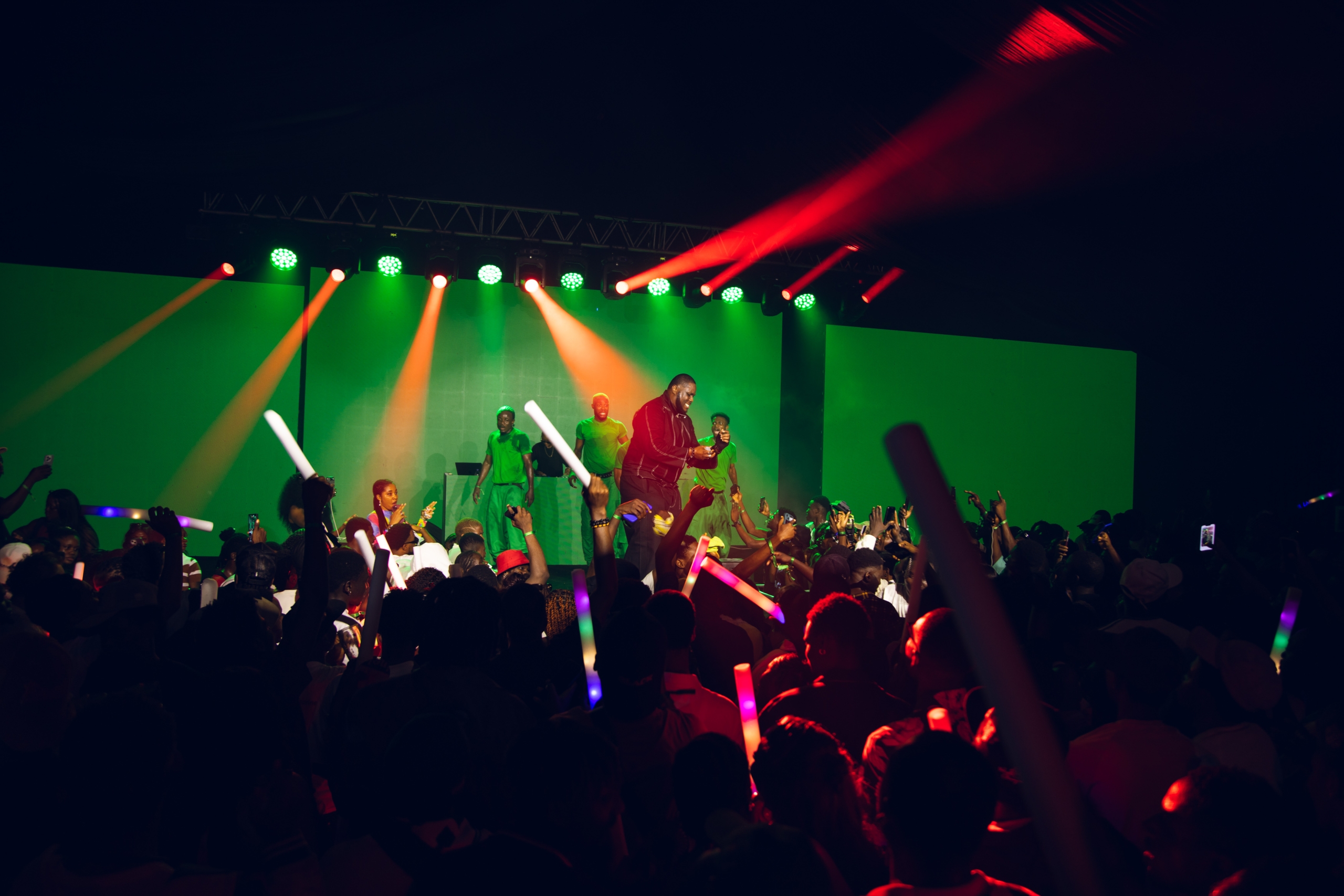
Detty December Fest illustrates the power of experience-led marketing. What began as a festival has evolved into one of Nigeria’s defining December destinations, attracting audiences from across the world while creating opportunities for brands to engage consumers within an environment built around entertainment, tourism, and culture. For participating partners, the value extends far beyond visibility. The experience creates meaningful audience participation, emotional connection, and memorable brand interactions that continue well beyond the event itself.
Experiences like these strengthen trust, build advocacy, and deepen customer relationships.
Why Culture Is Driving Modern Marketing
Culture influences how people connect, celebrate, create, and communicate.
Brands increasingly invest in music, entertainment, sport, fashion, technology, and community experiences because these spaces bring people together through shared interests and shared identity.
Heineken House Experience demonstrates how cultural relevance creates stronger brand engagement. Built around the excitement of the UEFA Champions League, the platform extends football into a broader entertainment experience where music, hospitality, and live entertainment come together. Fans participate in the brand, celebrate together, and become part of an experience that feels authentic to the occasion. The result is a stronger affinity built through shared moments and community.
Consumers recognise brands that understand culture, support creators, and contribute meaningfully to the communities they engage.
Why Participation Is The Core Of Experiential Marketing
Modern marketing encourages audiences to participate.
Consumers create content, share experiences, recommend brands to friends, and contribute to conversations that extend the life of a campaign.
Participation transforms audiences into active contributors.
Brands benefit from increased organic reach, stronger community engagement, and richer customer insights generated throughout the campaign.
The strongest activations create opportunities for people to become part of the story, creating experiences they are proud to share with their own communities.
How Data Has Strengthened Experiential Marketing
Technology has transformed how brands plan, deliver, and evaluate campaigns.
Registration systems, QR codes, RFID technology, digital ticketing, audience analytics, and CRM platforms provide valuable insight into consumer behaviour throughout an activation.
These tools help marketers understand:
- Audience attendance
- Participation rates
- Consumer interests
- Product interactions
- Lead generation
- Customer acquisition
- Purchase behaviour
- Content engagement
Campaign performance becomes measurable across every stage of the customer journey, supporting stronger decision-making and continuous optimisation.
Brand Trust Is Built Through Shared Experiences
Trust grows through consistent interaction.
Experiential campaigns provide opportunities for brands to demonstrate their values, showcase their products and engage audiences in meaningful ways.
Consumers experience the brand firsthand.
They explore products.
They interact with experts.
They engage with other members of the community.
Every interaction contributes to stronger confidence, stronger relationships and long-term loyalty.
Marketing Investment Is Becoming More Integrated
Marketing channels deliver greater value when they work together.
Television, digital advertising, social media, public relations, influencer marketing, live experiences and content each contribute to different stages of the customer journey. Experiential marketing often becomes the centrepiece that connects these channels.
Entertainment Week Africa reflects this integrated approach. The platform combines thought leadership, industry markets, exhibitions, networking, live experiences, and media engagement into a single ecosystem serving Africa’s creative economy. Partners gain executive visibility, direct access to industry decision-makers, earned media opportunities, and meaningful commercial relationships through multiple touchpoints across the week.
A single platform can generate live attendance, creator content, media coverage, executive conversations, qualified business leads, and sustained digital engagement, allowing brands to maximise the impact of every marketing investment.
Measuring Business Impact
Marketing leaders increasingly evaluate campaigns through business performance.
Key indicators include:
- Customer acquisition
- Sales growth
- Brand awareness
- Purchase intent
- Lead generation
- Customer retention
- Audience engagement
- Share of conversation
- Community growth
- Return on investment
These metrics provide valuable insight into campaign performance while informing future strategy, investment decisions and creative direction.
The Era of Participatory Brands
Marketing continues to evolve alongside consumer behaviour.
People value relevance, authenticity and experiences that create genuine connection. Brands investing in participation, community and culture position themselves to build stronger relationships with their audiences while creating measurable commercial value.
Creative excellence remains essential.
Strategic thinking, production quality, technology and measurable outcomes strengthen every campaign, ensuring creativity contributes directly to broader business objectives.
The brands shaping the future will create experiences that people remember, share and return to.
Frequently Asked Questions
Why are brands investing in experiential marketing?
Experiential marketing creates opportunities for direct consumer engagement, stronger brand recall, meaningful data collection and measurable business outcomes.
Does traditional advertising still matter?
Traditional advertising remains an important component of integrated marketing strategies. Many organisations combine advertising with experiential campaigns, digital media, content marketing and public relations to create stronger business results.
Why do consumers respond to experiences?
Experiences create emotional connections, encourage participation and allow consumers to interact with brands in memorable and meaningful ways.
How do brands measure experiential marketing success?
Performance is commonly measured through audience engagement, lead generation, sales, customer acquisition, brand perception, digital performance and return on investment.
Create Experiences That Build Brands
Every memorable campaign begins with a meaningful audience experience. Livespot360 develops culture-driven campaigns, immersive brand experiences and large-scale productions that connect brands with people in powerful and measurable ways.
Connect with our team to discover how strategic experiences can strengthen your next campaign.