






The African creative industry is producing music, film, and digital media at an unprecedented global scale.
However, a critical disconnect remains between cultural influence and economic return: the continent is creating immense value, but failing to capture it.
According to data from the United States Patent and Trademark Office, Nigeria and Kenya alone lose an estimated $286 million in recorded music revenue annually due to systemic weaknesses in copyright collection and enforcement.
This staggering loss raises a fundamental question for the continent’s booming entertainment sector: can Africa turn its growing creative output into lasting economic wealth by fundamentally strengthening how intellectual property (IP) is owned, protected, and monetised?
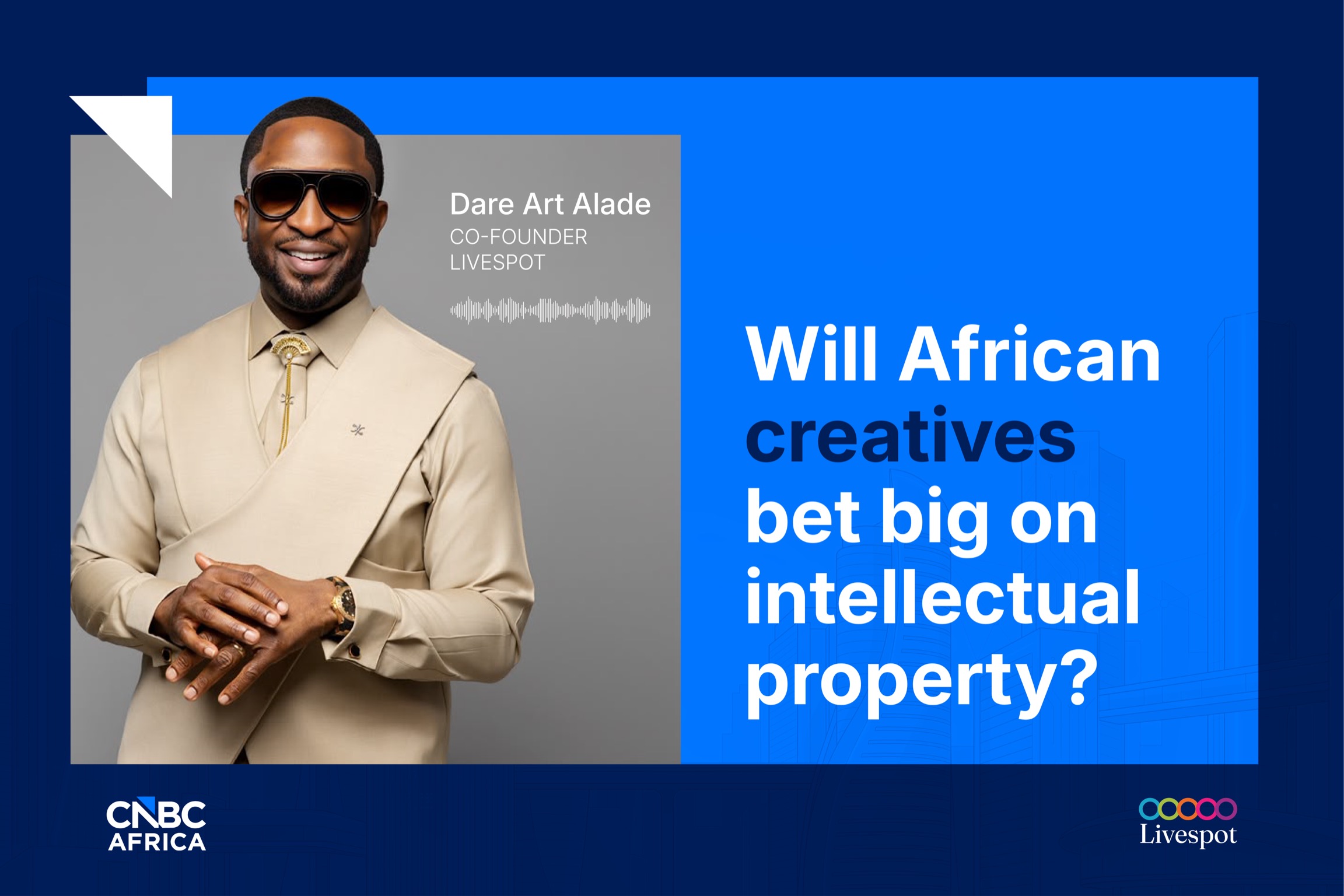
“The IP challenge is perennial, it’s ongoing. The battle is being fought. I won’t say it’s been won yet, but we’re making progress.”
The progress depends on what happens beyond the law itself. Protection, enforcement and the systems that allow creators to establish ownership and collect the value attached to their work remain critical.
The Perennial IP Challenge
A significant amount of creative revenue exists within the system but does not always reach the people who created the work.
The music industry offers a straightforward example. A song can involve several contributors, including artists, producers and songwriters, each with an interest in the underlying work. If those interests are not clearly documented at the point of creation, disputes and difficulties around royalty allocation can follow.
One of the most basic tools for addressing this is the split sheet, which records the agreed ownership shares between contributors to a song.
Darey pointed to this as an important first step for creators before they enter the wider rights-management and collection system.
“A lot of money, rightfully, is in the pipeline. Most of it hasn’t been collected either because sometimes even when you finish your studio session, you forget or somehow you don’t work on your split sheets, and make sure that everybody knows what they’re due and what they’re getting.”
That documentation becomes even more important once music crosses borders and generates revenue through streaming, performance, publishing, licensing and other channels. Ownership has to be clear, rights have to be tracked, and the relevant revenue has to be collected and distributed.
There are also wider disagreements within the ecosystem involving different entities and interests.
“When elephants fight, you know, it’s the grass that suffers.” Darey quotes.
In this case, the grass is the creative community that needs to benefit more consistently from the value generated by its work.
The issue, therefore, is larger than piracy. It is about whether the systems surrounding African creative work are capable of ensuring that the people who create and own that work can participate fully in the value it generates.
Plugging the Infrastructure Gap
Intellectual property is one part of the challenge. Infrastructure is another.
A creative idea requires the right environment and resources to become a finished product. Film and television productions need studios, sets, equipment and technical teams. Live entertainment requires venues and production infrastructure. Talent needs platforms through which their work can be developed and commercialised.
At Livespot360, these capabilities sit across an interconnected ecosystem.
Livespot Studios works across film and television, including the development of original IP.
Livespot Scenic focuses on sets and production infrastructure.
Livespot Experiences delivers concerts, festivals and other live experiences.
Livespot Icons works with talent both in front of and behind the camera.
Our physical spaces and venues provide another part of the infrastructure required to bring creative projects and experiences together.
Together, these capabilities support different stages of the creative value chain, from developing an idea and building the production environment to providing talent, infrastructure and spaces for execution.
For a sector seeking to scale, that infrastructure matters. The ability to develop an idea is one thing; having access to the facilities, people and production capabilities required to take it to market is another.
Financing the Next Phase of Growth
The value of Africa’s creative economy sits at around $59 billion, with the potential to support 20 million jobs by 2030.
Nigeria’s film industry illustrates both the opportunity and the gap. Nollywood produces films at significant volume and is widely recognised as one of the world’s largest film industries by output. But production volume does not automatically translate into the infrastructure, skills and investment required to build a stronger industry around that output.
Much of the creative work being produced is still self-funded, which places limits on how far individual creators and businesses can take their projects.
The industry therefore needs what Darey describes as patient capital.
“A lot of the creative work that’s being done now needs more patient capital. The infrastructure play is critical.”
Creative businesses and original IP can require time to develop audiences, establish commercial value and generate returns. Infrastructure investments can also require significant capital before they begin producing sustainable revenue.
There are signs of progress. The creative economy is attracting greater institutional attention, including dedicated financing initiatives from Afreximbank, alongside partnerships involving governments and other institutions.
The availability of capital, however, is only part of the equation. The structure of that capital matters too. Creative businesses require investors who understand the timelines and commercial realities of developing creative IP.
University of Side Hustle and the Business of Original IP
Livespot’s first original scripted feature film, University of Side Hustle, provides a practical example of how these different parts of the creative ecosystem can come together.
Darey discussed the film during the CNBC Africa interview while coming directly from its production set.
At its centre is an original story about young Nigerians and the realities of navigating side hustles alongside their ambitions and working lives.
“Everything starts with the original story,” Darey said.
He described University of Side Hustle as a dramedy that reflects the mindset of contemporary young Nigerians.
“University of Side Hustle, for example, is talking about young Nigerians and their side hustles. So it’s gripping, it’s thrilling, it’s a dramedy that has a little bit of everything, but most importantly reflects the current young Nigerian mindset.”
The project brings several layers of the creative value chain together.
It starts with the story. From there come the writers, directors, actors and production teams responsible for bringing that story to the screen. The process also requires infrastructure, financing and the systems needed to eventually connect the finished work with its audience.
For Livespot, University of Side Hustle represents our entry into original scripted content and a practical application of the wider ecosystem we have been building.
It also illustrates why the conversation around IP cannot be separated from the rest of the creative economy.
An original story has potential value. Realising that value requires the people, infrastructure, capital and commercial pathways to develop and distribute it.
The Value of What African Creatives Create
Africa’s creative economy has already demonstrated that its work can travel.
African music has established audiences across international markets. Nollywood has built one of the world’s most recognisable film industries. African creators are developing original stories, formats and concepts across an expanding range of creative sectors.
The challenge is making sure the systems around that work can support its growth.
That means creators understanding and documenting their rights from the point of creation. It means stronger copyright collection and enforcement. It means infrastructure capable of supporting larger productions and more sophisticated creative businesses. It means financing that accommodates the realities of developing creative IP.
It also means thinking about intellectual property beyond the initial release of a song, film or television project.
A piece of creative work can generate value repeatedly through licensing, distribution, adaptations, performance, publishing and other uses. The ability to capture that value depends heavily on who owns the rights, how those rights are managed and whether the relevant systems are capable of collecting what is due.
For African creatives, that makes IP knowledge a commercial skill as much as a legal one.
The continent has the creative output. The next stage is building stronger mechanisms around ownership and monetisation.
So, will African creatives bet big on intellectual property?
The opportunity is already there. The bigger task is making sure the creators and businesses producing that IP are equipped to own it, protect it and participate in the value it creates.