








Scarcity has shaped Africa’s creative economy with a force comparable to capital in more established markets, influencing how ideas are conceived, how solutions emerge, and how resilience becomes embedded in creative thinking. As a result, creativity across the continent has evolved within conditions defined by constraint, yet these same conditions continue to generate originality, adaptability, and cultural relevance at scale. Scarcity, in this context, functions less as a limitation and more as a catalyst for invention.
Creative economies thrive on tension. Where resources remain unevenly distributed, creativity evolves as a problem-solving discipline grounded in urgency and precision rather than indulgence. Consequently, African creatives build within compressed timelines, fragile infrastructure, and limited institutional support, which shapes a mindset driven by efficiency, improvisation, and strategic clarity. Each decision carries consequence, and each idea must justify its relevance through impact.
This dynamic explains why African creativity often feels grounded and culturally resonant. Scarcity demands relevance, whereas excess often permits abstraction. Ideas disconnected from lived experience struggle to endure in ecosystems where audiences engage deeply with work that mirrors their realities. Creative expression therefore becomes layered and responsive, drawing strength from proximity to real challenges rather than distance from them.
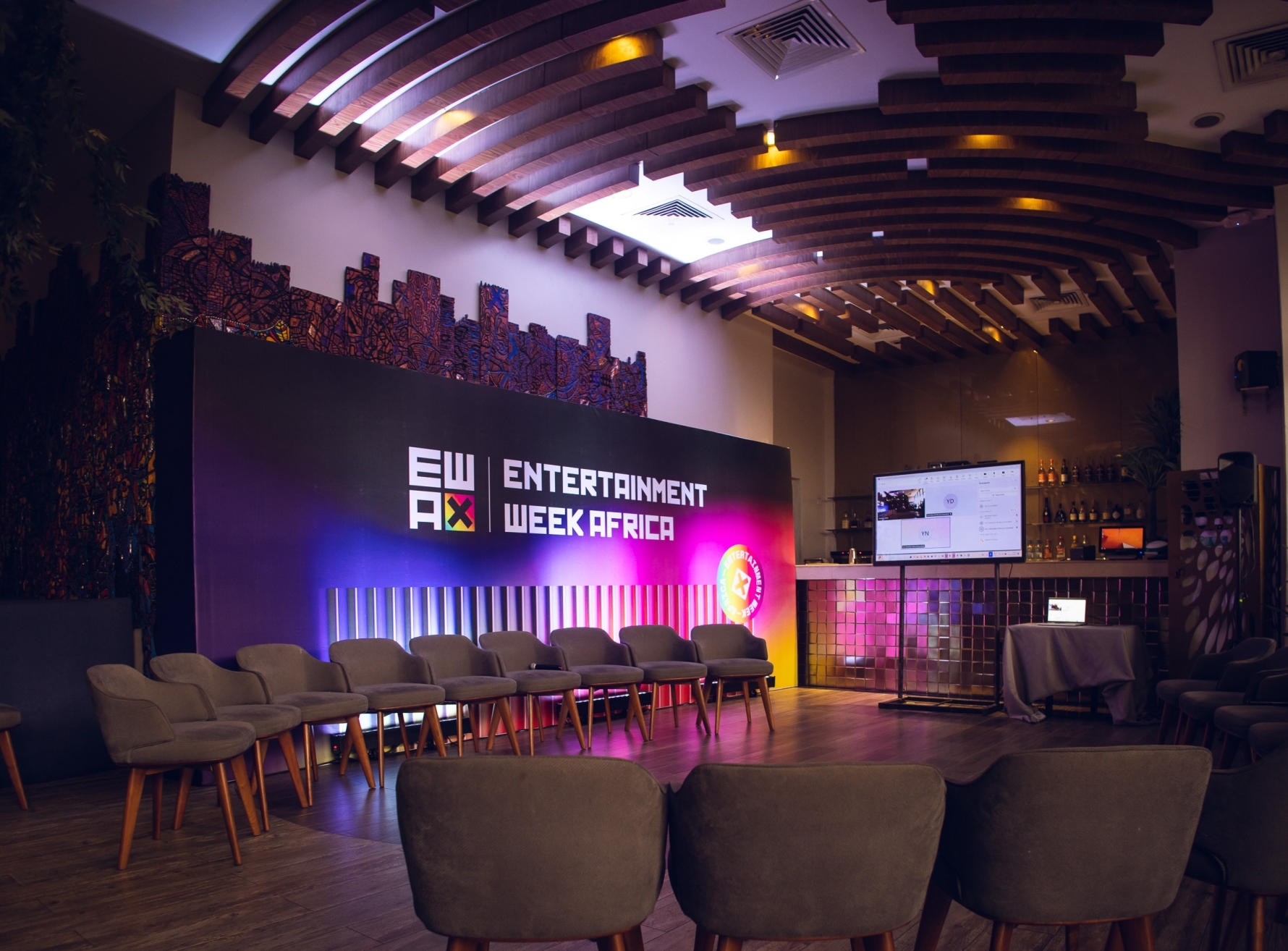
As Deola Art Alade, Founder and Convener of Entertainment Week Africa, articulated during her address, this reality sits at the heart of the African creative story: “We turn nothing into something. We make magic from scarcity.” Her statement captures a broader truth across the continent’s creative sectors, where constraint has consistently sharpened ingenuity rather than diminished it. Read more: Why Scarcity Is Africa’s Secret Creative Advantage