



Culture rarely announces where it is going. It moves quietly, lived first by people before it is labelled by industries. By the time something is called a trend, it has already passed through dance floors, timelines, street conversations, stadiums, and shared moments that refuse to stay local.
From our vantage point as culture custodians, 2026 does not signal a race toward novelty. It marks a return to meaning, memory, and intention. Creativity is entering a more responsible era. Entertainment is functioning as infrastructure. Experiences are shaping economies. Behavior, more than platforms, is driving the next phase of cultural relevance.
From Scale to Significance
Over the last decade, the global creative economy chased scale. Reach became currency. Virality became validation. Bigger moments were rewarded faster than meaningful ones. Nigeria, in particular, leaned into this era with confidence. Music crossed borders. Fashion travelled timelines. Events became destinations. Culture became export.
That era is now giving way to a pivot, driven largely by audience fatigue and rising discernment. Significance is beginning to outweigh spectacle as attention feels expensive and audiences demand experiences that reflect identity, context, and values. They want to feel seen rather than sold to.
In 2026, the central question has shifted from “reach and impressions” to “what did this moment leave behind?” Attention is no longer assumed. It is earned. And audiences are increasingly drawn to experiences that respect their intelligence, reflect who they are, and offer meaning beyond the moment.
Events as Cultural Infrastructure
This shift is especially visible in how events are evolving.
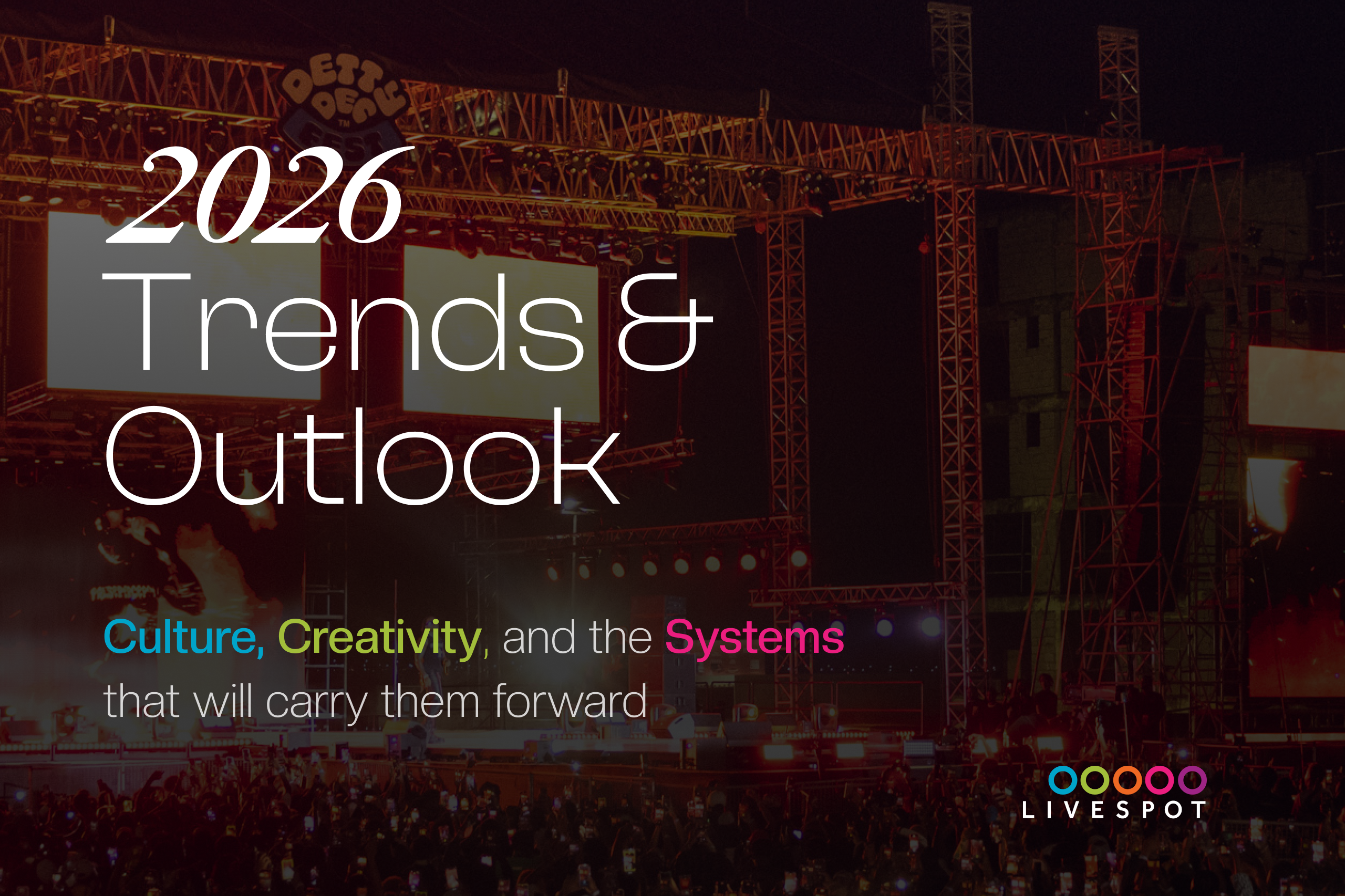
Events are no longer calendar highlights or one-off moments. They have become economic, cultural, and social infrastructure. Festivals like Detty December Fest and platforms such as Entertainment Week Africa demonstrate how experiences can reshape global perception, drive tourism, stimulate commerce, and influence how cities and countries are positioned within the creative economy.
Because audiences now engage beyond the physical moment, successful events in 2026 will need to operate as ecosystems. Programming will extend into digital spaces. Storytelling will continue after the gates close. Communities will form before arrival and remain active long after departure.
Events that fail to evolve into platforms risk becoming disposable, while those that build continuity are more likely to succeed in creating lasting legacy.
Entertainment as the Interface
As events evolve into systems, entertainment has become the primary interface through which people experience ideas, brands, and institutions. Music, film, sports, comedy, and digital content now sit at the centre of how audiences process meaning. This shift places increased responsibility on cultural producers, because every creative choice communicates values, whether intentional or not.
In this environment, audiences will read deeply into what is amplified, who is centred, and which stories are told. Representation, tone, and context will matter more than ever, because entertainment shapes perception at scale. For African and Nigerian creators, global visibility brings opportunity, but longevity will depend on how intentionally and responsibly those stories are carried forward.
Behavior Over Platforms
This responsibility becomes clearer when we examine audience behavior. Platforms will continue to rise and fall, but behavior remains consistent.
Across Africa, audiences are mobile-first, community-driven, and socially influenced. WhatsApp conversations, short-form video, live experiences, and peer validation often matter more than algorithmic placement. What has changed is expectation. Audiences now expect relevance and cultural fluency. They expect creators and brands to understand nuance, language, humor, and mood. Generic content struggles because it lacks connection. Borrowed aesthetics fade because they lack ownership. In 2026, relevance comes from listening closely and responding thoughtfully, not broadcasting louder.
Social Listening, Authenticity, and the End of Performed Storytelling
As audiences become more discerning, the way stories are told is changing just as much as what stories are told.
In 2026, storytelling has shifted from projection to participation. Brands, creators, and cultural platforms no longer lead conversations unilaterally. They listen first. Social listening has evolved from a monitoring tool into a cultural compass, helping teams understand mood, language, emerging values, and unspoken tensions within communities.
This shift matters because audiences are increasingly skilled at detecting performance. Polished narratives without lived truth struggle to resonate. Stories that feel manufactured or opportunistic are quickly rejected, regardless of production quality or reach.
Authenticity now sits at the center of effective cultural storytelling.
What we are seeing is a move away from telling stories about people toward telling stories with them. Insight comes from paying attention to how audiences speak, what they celebrate, what they critique, and what they quietly ignore. This depth of listening shapes narratives that feel grounded, timely, and human.
For culture custodians, social listening is no longer reactive. It is strategic. It informs programming decisions, content tone, partnerships, and even the pacing of experiences. It ensures stories emerge from real sentiment rather than assumed narratives.
As a result, authenticity has become an operational discipline rather than a branding claim. The most resonant work in 2026 reflects lived experience, cultural nuance, and emotional honesty. It values truth over trend-chasing and connection over control.
This evolution sets the stage for the creator reset we are witnessing, where trust is earned through consistency, transparency, and respect for audience intelligence rather than constant visibility.
The Creator Reset
These shifts have forced a reset within the creator economy.
Creators have moved from influence to enterprise. Visibility alone no longer guarantees trust, and overexposure now carries reputational risk. Creators who will win in this era need to understand that visibility without values erodes credibility, because audiences increasingly reward clarity, boundaries, and evolution.
This has led to more selective partnerships, stronger audience relationships, and a focus on ownership. Creators who treat their work as craft, business, and responsibility are building resilience, while those chasing constant attention struggle to sustain relevance.
Technology as an Enabler, Not the Story
Technology continues to power this evolution, but its role has shifted.
AI, immersive tools, and production technologies are now embedded across creative workflows. Early adoption focused on speed and scale. What we are seeing in 2026 is restraint.
Technology supports efficiency, insight, and distribution, while humans protect narrative, tone, and cultural integrity. In markets where context is layered and trust is fragile, human judgment remains essential. The most impactful work blends technological capability with cultural intelligence, ensuring tools amplify stories rather than flatten them.
IP, Ownership, and Legacy Thinking
This balance between technology and culture has accelerated a deeper conversation around ownership.
African creatives and platforms are thinking beyond moments toward intellectual property and legacy. Events, formats, experiences, and narratives are being structured for longevity. Documentation matters. Control matters. Archives matter.
In 2026, IP built from culture carries both economic and historical value. Those who protect and evolve their work shape how African creativity is remembered and monetized globally. Those who don’t risk being referenced without recognition.
Where the 2026 Tide Is Moving
From our seat across entertainment, experiences, platforms, and production, the tide is clearly moving toward:
-
-
Experiences designed to create memory, not just moments
-
Events that function as ecosystems rather than one-offs
-
Creators who value trust over constant visibility
-
Technology used to support culture rather than replace it
-
African stories told with confidence, structure, and ownership
-
This era rewards those who understand people before platforms, culture before scale, and intention before speed.
Our Responsibility as Culture Custodians
Livespot360 exists inside this shift. Our work sits at the intersection of creativity, culture, innovation, and responsibility.
As culture custodians, our role goes beyond production. We shape how communities gather, how stories travel, and how Nigeria shows up on the global cultural and creative economy map.
2026 calls for work that lasts.
Work that respects context.
Work that moves culture forward... deliberately.